Artemis II and the Human Body: What Spaceflight Teaches Us About Exercise
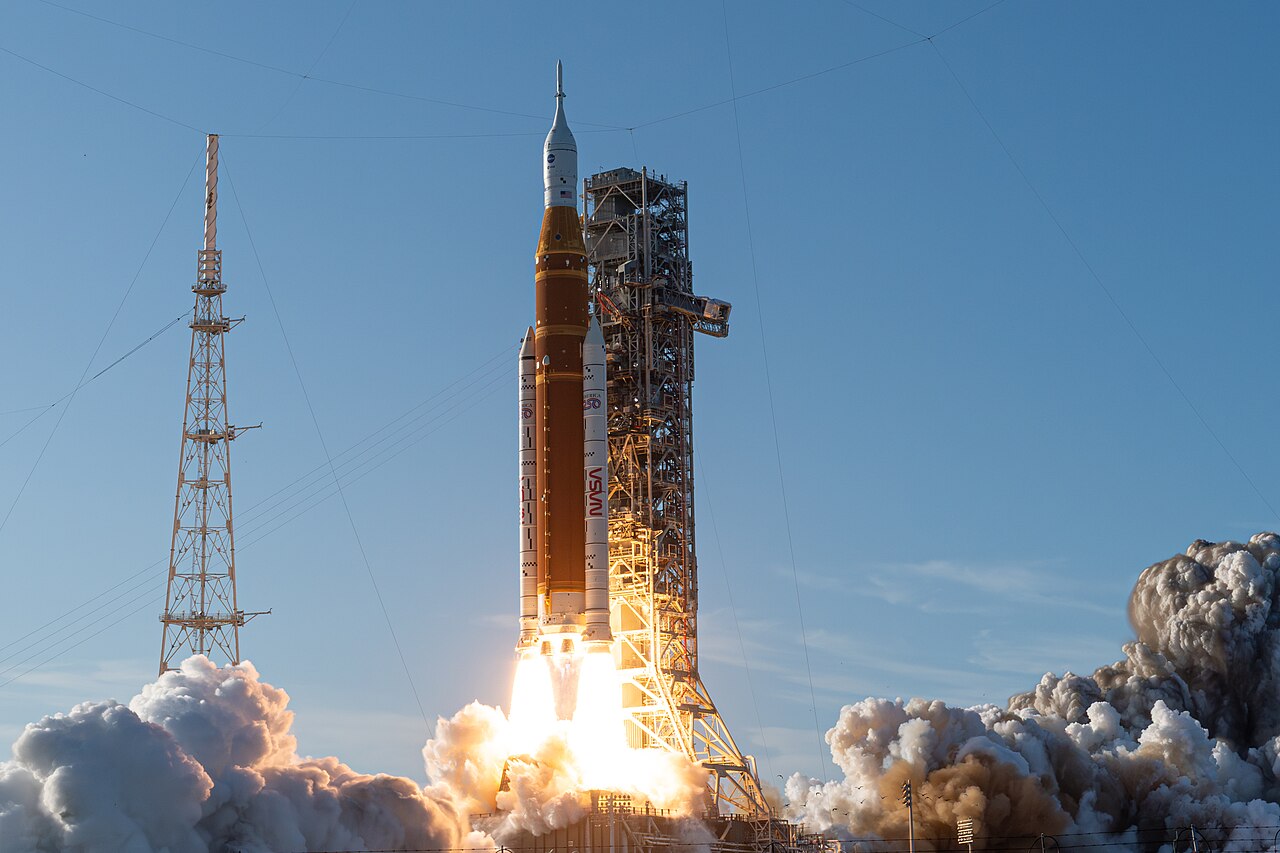
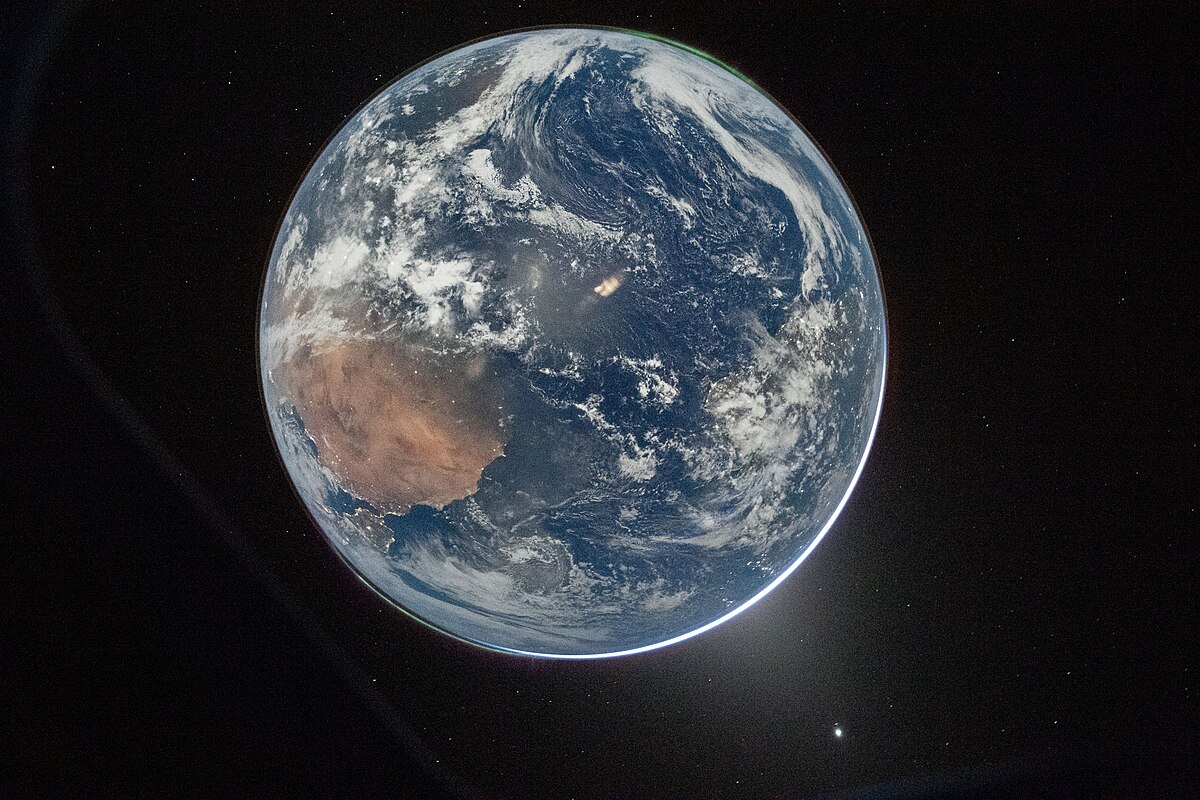
On April 10, 2026, the four-person Artemis II crew splashed down in the Pacific Ocean off the coast of California, completing the farthest human spaceflight in history — 252,756 miles from Earth at their most distant point. Their ten-day loop around the Moon was also, in a quieter way, an extraordinary experiment on the human body. What happens to muscle, bone, and the cardiovascular system in microgravity is not just a space medicine curiosity. It is a concentrated demonstration of what happens when you remove mechanical load from a biological system — and the countermeasures astronauts use in orbit tell us something surprisingly useful about training on the ground.
Ten Days, 252,756 Miles
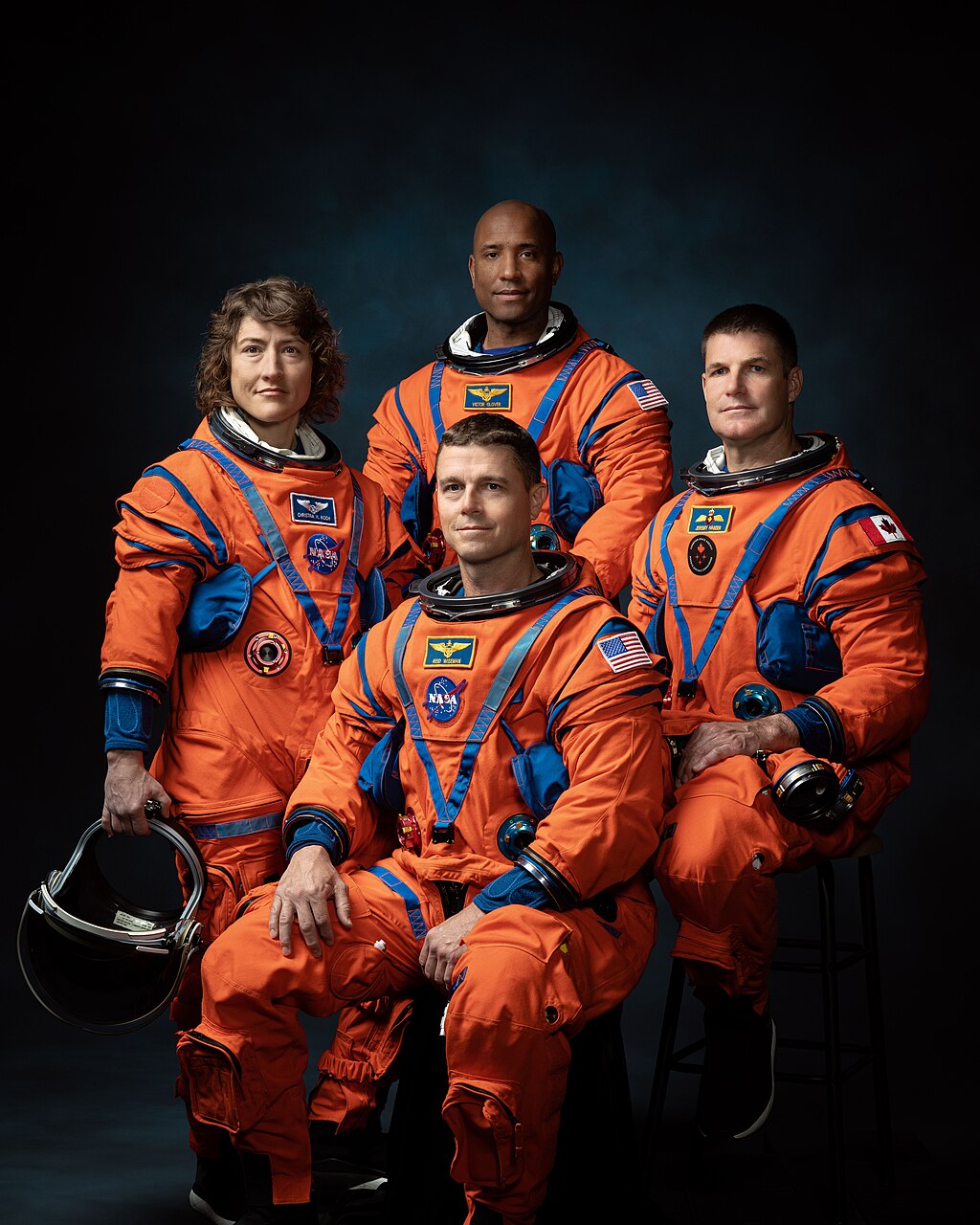
Artemis II lifted off from Kennedy Space Center on April 1, 2026, carrying NASA astronauts Reid Wiseman, Victor Glover, and Christina Koch, along with Canadian Space Agency astronaut Jeremy Hansen. The Orion spacecraft took the crew on a free-return trajectory around the far side of the Moon, eclipsing the long-standing distance record set by Apollo 13 in 1970. After approximately ten days in microgravity, the crew returned home on April 10.
Ten days is short compared to a standard six-month International Space Station rotation, but even brief exposure to microgravity produces measurable physiological changes. And with NASA now openly planning the multi-year transit to Mars that Artemis is paving the way for, the question of how the body endures time off-planet is no longer theoretical.
What Microgravity Does to the Body
Muscle and bone on Earth are constantly loaded. Gravity pulls on them; walking, standing, and lifting impose mechanical stress that signals tissue to maintain strength and density. Remove that load and the signal disappears. The body, efficient as ever, begins dismantling what it no longer needs.
The effects are well-documented and startlingly fast. A systematic review and meta-analysis by Stavnichuk and colleagues (2020), published in npj Microgravity, pooled post-flight bone density data from 148 astronauts across 25 studies. They found that weight-bearing bones in the lower limbs lose approximately 0.8% of mineral density per month of spaceflight, with the lumbar spine and pelvis showing cumulative losses of around 6% after long-duration missions. For context, age-related bone loss on Earth typically runs at a fraction of that rate over an entire year.
Muscle atrophies even more quickly. Narici and de Boer (2011), reviewing disuse physiology in the European Journal of Applied Physiology, reported that skeletal muscle cross-sectional area can shrink by up to 20% within the first month of microgravity exposure, driven primarily by a suppression of muscle protein synthesis rather than an acceleration of breakdown. The mechanical stimulus that normally tells muscle fibres to build simply disappears, and the body stops building.
The cardiovascular system also deconditions. Within days of reaching orbit, fluid shifts from the lower body to the head and upper torso, and total blood volume drops by 10 to 15 percent (Hargens & Richardson, 2009, Respiratory Physiology & Neurobiology). The heart itself can shrink. In a landmark study published in the Journal of Applied Physiology, Perhonen and colleagues (2001) used cardiac MRI to document a 12% reduction in left ventricular mass after just ten days of spaceflight in four astronauts — a near-perfect analogue for the duration of Artemis II. The heart adapts to the reduced workload of pumping blood in microgravity by literally getting smaller. On return to Earth, this contributes to orthostatic intolerance: the inability to stand up without dizziness, because the cardiovascular system has, in effect, forgotten how to work against gravity.
Two Hours of Exercise Per Day
The response to all of this on the International Space Station is simple and unglamorous: astronauts work out. A lot. Crew members typically spend about two hours per day on dedicated exercise, split across three machines — the Advanced Resistive Exercise Device (ARED), a treadmill, and a cycle ergometer. Of those, the ARED is the workhorse. It uses vacuum cylinders and flywheels to simulate loads up to roughly 600 pounds, allowing astronauts to perform squats, deadlifts, bench presses, and rows in an environment where nothing weighs anything.
This matters because the evidence is clear that not all exercise is equal in microgravity. Smith and colleagues (2012), in the Journal of Bone and Mineral Research, compared bone outcomes in ISS astronauts before and after the ARED was installed. Crew members who trained with the older, lower-force resistive device still lost significant bone density in the hip and spine. Crew members with ARED access, combined with adequate dietary energy and vitamin D, returned from six-month missions with bone mineral density unchanged from preflight across most skeletal regions. The difference was not marginal. It was the difference between degrading and being preserved.
Resistance loading is the critical variable. Low-impact cardio alone, even in significant volumes, does not prevent bone loss. What protects the skeleton is heavy mechanical stress applied through its long axis — the kind of stress a squat or deadlift creates, whether performed in Houston or in orbit.
What the Artemis Body Lesson Means on Earth
The ISS research is a decisive natural experiment that confirms something strength and conditioning researchers have long argued: on Earth, the same mechanisms are constantly at play, just at a slower timescale. When you stop loading a muscle, it shrinks. When you stop compressing a bone, it demineralizes. When you stop challenging your cardiovascular system against gravity, the heart follows the muscle and the bone.
Aging, sedentary lifestyles, prolonged bed rest, and spaceflight all produce versions of the same cascade. The astronaut case is extreme precisely because it compresses decades of disuse into a few months, and that compression is what makes the data so valuable. If two hours of heavy resistance work per day are what protect bone density during a six-month ISS mission, it becomes harder to argue that three to four serious sessions per week are excessive for someone living a fully terrestrial life with the clock of aging slowly ticking.
The countermeasure is not exotic. It is the same protocol recommended in every major physical activity guideline on Earth: load the tissue, consistently, with intention. The remarkable thing is not that NASA figured this out. It is that the body responds identically whether the signal is delivered in a Johnson Space Center gym or aboard the ISS, 400 kilometres above it.
Training Like You Mean It — on Earth or in Orbit
The Artemis II crew came home last week as the farthest-traveled humans in history. They are now beginning the structured exercise protocol NASA uses to rebuild the adaptations lost during even brief exposure to microgravity. The science governing their recovery is the same science that governs everyone else's training.
At Momentm, the optimization problem is different. You already live under gravity; most of us do not spend enough time pushing against it. An AI workout planner that accounts for your training history, recovery status, and available equipment is doing on Earth what ARED does in orbit — ensuring that the stimulus needed to maintain and build tissue is actually delivered, session after session, without guesswork. For a deeper look at the biology of consistent loading, see our piece on the science of progressive overload. For how session frequency interacts with weekly volume, see training frequency for muscle growth.
Artemis II is a reminder of how quickly the body adapts to disuse. It is also a reminder that the solution is ordinary: put load on tissue, consistently, with intention. The astronauts just have to do it in a harness.
References
- Stavnichuk, M., Mikolajewicz, N., Corlett, T., Morris, M., & Komarova, S. V. (2020). A systematic review and meta-analysis of bone loss in space travelers. npj Microgravity, 6, 13. https://doi.org/10.1038/s41526-020-0103-2
- Narici, M. V., & de Boer, M. D. (2011). Disuse of the musculo-skeletal system in space and on earth. European Journal of Applied Physiology, 111(3), 403–420. https://doi.org/10.1007/s00421-010-1556-x
- Hargens, A. R., & Richardson, S. (2009). Cardiovascular adaptations, fluid shifts, and countermeasures related to space flight. Respiratory Physiology & Neurobiology, 169(Suppl 1), S30–S33. https://doi.org/10.1016/j.resp.2009.07.005
- Perhonen, M. A., Franco, F., Lane, L. D., Buckey, J. C., Blomqvist, C. G., Zerwekh, J. E., Peshock, R. M., Weatherall, P. T., & Levine, B. D. (2001). Cardiac atrophy after bed rest and spaceflight. Journal of Applied Physiology, 91(2), 645–653. https://doi.org/10.1152/jappl.2001.91.2.645
- Smith, S. M., Heer, M. A., Shackelford, L. C., Sibonga, J. D., Ploutz-Snyder, L., & Zwart, S. R. (2012). Benefits for bone from resistance exercise and nutrition in long-duration spaceflight: Evidence from biochemistry and densitometry. Journal of Bone and Mineral Research, 27(9), 1896–1906. https://doi.org/10.1002/jbmr.1647
Images courtesy of NASA (public domain). Artemis II launch, crew portrait, and Earth view via Wikimedia Commons.
Train Smarter With Momentm
Momentm is an AI-powered workout planner that builds a fresh, personalized plan around your body, time, injuries, and equipment — every day. Get your first workout in under 60 seconds.


Related Articles
Training Frequency for Muscle Growth: What the Research Says
How often should you train each muscle group? A research-backed look at training frequency, volume distribution, and how AI optimizes your weekly split.
The Science of Progressive Overload: How AI Tracks It For You
What does the research say about progressive overload? How volume, load, and autoregulation drive muscle growth — and how AI applies it automatically.